Booking Portobello Road parking suspensions for removals: a practical guide for smoother moving day
If you are moving on or near Portobello Road, parking can turn a straightforward removal into a bit of a headache. Vans need space, neighbours still need access, and the road itself can be busy, narrow, and awkward at the best of times. That is exactly why Booking Portobello Road parking suspensions for removals matters: it helps create a safe, legal, workable loading space so the move can actually happen without last-minute panic.
In this guide, we break down what a parking suspension is, why it matters for removals, how the process usually works, and what to check before moving day. We will also cover common mistakes, practical tips, compliance points, and a realistic checklist you can use. If you are planning a move in Notting Hill, you may also find it useful to look at our Portobello Road moving guide and local permit rules in Kensington and Chelsea.
Why Booking Portobello Road parking suspensions for removals Matters
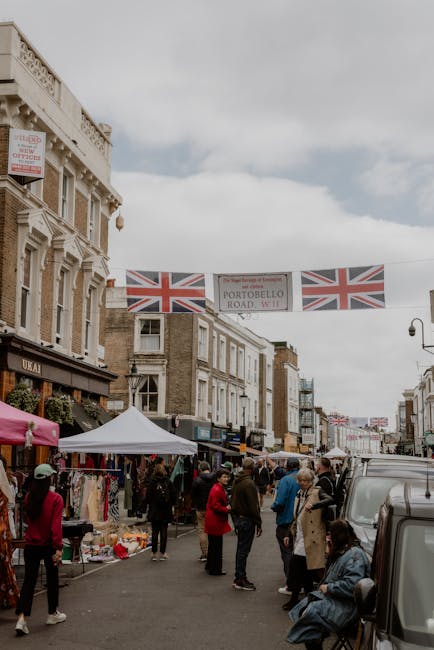
Portobello Road is not the sort of place where you can casually "just stop the van outside." On a normal day, space is limited. On a busy day, it is worse. Add a removal crew, boxes, furniture, and a nervous neighbour trying to get their car out, and the whole thing can unravel quickly.
A parking suspension temporarily prevents parking in a specific bay or stretch of road so a vehicle can load or unload. For removals, that can mean your van has the closest possible access to the property, which reduces carrying distance, saves time, and lowers the chance of damage. It also makes the moving team's job easier, which is never a bad thing.
The practical value is simple: fewer interruptions, fewer awkward conversations with people who need to get past, and less risk of circling the block while the crew waits. If your move is already complicated by stairs, narrow entrances, or a tight schedule, a suspension can be the small detail that keeps the whole day on track. For some moves, it is the difference between a calm start and a slightly frazzled one. Let's face it, moving days have enough moving parts already.
For people balancing a chain, completion timing, or a same-day handover, local access becomes even more important. You may also want to review property transaction timing in Notting Hill if your move is linked to a sale or purchase.
How Booking Portobello Road parking suspensions for removals Works
In plain English, a parking suspension is an arranged restriction that reserves a patch of road for a specific purpose at a specific time. For removals, it is usually requested in advance so a van can park near the property for loading or unloading.
The exact process can vary depending on the local authority and the street involved, but the usual flow looks something like this:
- You identify the date, time, and exact location of the move.
- You work out how much road space you need for the removal vehicle.
- You check whether the route, bay, or frontage is suitable for suspension.
- You submit the request with the relevant details and any supporting information.
- You wait for confirmation before relying on the space being available.
- On moving day, the suspension should help keep the area clear for the van.
That sounds neat on paper. In practice, little things matter: the size of the van, whether there are resident bays, whether access is needed for pedestrians, and whether the removal team needs a second vehicle or extra unloading space. A good plan accounts for all of it. A rushed one tends to end up with people shrugging at each other in the street.
If you are organising a wider move rather than a one-off item shift, it can help to pair access planning with house removals support in Notting Hill or flat removals in Notting Hill, especially where timing and access are tight.
Key Benefits and Practical Advantages
The biggest benefit is obvious: easier access. But there is a bit more to it than that.
- Shorter carrying distances: Less time walking furniture up and down the road means the team can work faster and more safely.
- Lower risk of delay: A reserved loading space reduces the chance that your van arrives and has nowhere legal to stop.
- Better handling of bulky items: Sofas, wardrobes, and appliances are easier to manage when the van is close.
- Reduced stress for everyone: Fewer arguments over parking and fewer interruptions from passing traffic.
- More predictable timings: Helpful if you have a key handover, lift booking, or strict access window.
There is also a safety angle. When the carrying route is short and direct, there is less chance of scuffed floors, strained backs, or awkward turns at the kerb. In a narrow street, that matters more than people expect. The extra five minutes you spend getting the vehicle placement right can save you fifty minutes later. Or an entire mood.
For example, if you are moving a dining table or a piano, a better parking setup can make the whole operation far more controlled. If that sounds familiar, you may want to explore specialist piano removals and furniture removals in Notting Hill.
Who This Is For and When It Makes Sense
A parking suspension is not necessary for every move. Some moves are small enough that the vehicle can load from a legal bay without trouble. But it becomes much more useful in certain situations.
It often makes sense if you are:
- moving from a flat or townhouse with limited frontage
- using a larger removal van
- shifting heavy furniture or several rooms' worth of items
- moving at a busy time of day
- working to a strict handover or tenancy deadline
- moving on a road where parking pressure is already high
It also makes sense if you are trying to avoid unnecessary lifting over a long distance. That is especially true on Portobello Road, where foot traffic, deliveries, and everyday local movement can all compete for the same few metres of usable space.
If you are a student, a renter, or someone moving a modest load, you may not need the full setup every time. In those cases, a smaller vehicle and a tight loading plan may be enough. If you need broader support, it can be worth looking at student removals options, man and van services, or man with van support depending on the size of the job.
Step-by-Step Guidance
If you want the process to feel manageable, break it into stages. That helps more than people think.
1. Confirm the moving date early
The earlier you know your moving day, the better. A suspension request tends to be easier when there is a clear window and no last-minute wobble. If your dates are moving around, write them down carefully and keep one person responsible for final confirmation.
2. Measure the access properly
Do not guess. Check the width of the frontage, where the van will stand, and whether there is room for ramps, tail lifts, or doors to open fully. Portobello Road is not forgiving if you arrive with assumptions instead of measurements.
3. Match the vehicle to the space
A small van and a long removal lorry behave very differently. If a compact route is all that is realistic, choose a vehicle that suits the street rather than forcing the street to suit the vehicle. This is where a good operator earns their keep.
4. Prepare building access
Check whether the lift is booked, whether the concierge needs notice, and whether there are any internal restrictions. Sometimes the road plan is perfect and the building access is the real bottleneck. Annoying, but common.
5. Put the packing plan in place
Good packing keeps the loading phase fast. Boxes should be labelled, fragile items separated, and loose pieces secured. If you want a sensible starting point, see packing and boxes support and the guide to packaging your items before collection.
6. Confirm timing and delivery expectations
Make sure the removal team knows whether you need early access, a midday loading slot, or a later arrival to fit around building rules. If timing is tight, delivery at the best time for you is the sort of planning detail that prevents small problems turning into big ones.
7. Keep evidence and confirmation handy
On the day, it helps to have all relevant confirmation ready in case there is a query. A printed note, a saved email, or a contact number can be enough. You may never need it. Still, having it feels better than not having it.
Expert Tips for Better Results
After enough moves, you start to notice the same handful of details make the biggest difference. Nothing fancy. Just practical sense.
- Plan for the worst-case gap: If the van cannot park directly outside, decide in advance where it can legally stop as a fallback.
- Keep the loading zone tidy: Loose bags, bikes, bins, and random clutter slow everything down.
- Tell neighbours early: A quick heads-up can reduce awkward moments later, especially if there will be noise or temporary access limits.
- Use colour-coded labels: It is a simple trick, but it saves time when everyone is carrying boxes in and out.
- Bundle access decisions together: Parking, lift bookings, and key handover should be treated as one plan, not separate jobs.
One of the best habits is to think like a mover for ten minutes before moving day. Walk the route in your head. Where does the van stop? Where do the first three boxes go? Where will the sofa turn? That little mental rehearsal catches more issues than people expect.
If your move involves a tight staircase or awkward doorway, it may also help to review narrow doorway moving challenges and narrow-street tactics for estate moves.
Common Mistakes to Avoid
Most problems are not dramatic. They are small oversights that compound. The good news is they are avoidable.
- Leaving the request too late: This is the big one. Late planning narrows your options and makes stress much more likely.
- Assuming a suspension covers everything: It usually does not. You still need to think about access, loading, and building rules.
- Choosing the wrong vehicle size: Too large and you may struggle with access; too small and you may need multiple trips.
- Forgetting about neighbours and local traffic: A narrow road can become tricky quickly if everyone arrives at once.
- Not checking the exact time window: A one-hour misunderstanding can throw off the rest of the day.
- Ignoring waste disposal and recycling needs: Moving often uncovers items you do not want to take with you.
If you are clearing out a lot of unwanted items as part of the move, read about bulky waste removal costs and options and skip and disposal laws in Notting Hill. That way you do not accidentally create a second problem while solving the first.
Tools, Resources and Recommendations
You do not need a huge toolkit to organise a good move, but a few practical resources help a lot.
- Floor plan or room list: Useful for deciding what should be packed first and what should be loaded last.
- Measuring tape: Essential for checking furniture dimensions and awkward corners.
- Labels and marker pens: Simple, cheap, effective.
- Phone notes or checklist app: Handy for keeping track of access instructions, keys, and timings.
- Photos of access points: A quick photo of the street, bay, entrance, or staircase can help a removal team understand the setup before arrival.
For a smoother all-round experience, it can also be useful to browse the full services overview, especially if you need more than just transport. Sometimes removals, storage, and packing support all end up being connected.
And if you are trying to keep things secure and straightforward, the pages on payment and security, insurance and safety, and health and safety policy are worth a look. Not glamorous, admittedly, but very useful.
Law, Compliance, Standards, or Best Practice
Parking suspensions sit in the world of local access management, so the safest approach is to treat them as a formal arrangement, not a casual favour. The key point is simple: you should not rely on a loading space being available unless it has been properly arranged and confirmed.
In practice, that means following the local authority's process for the street, keeping to the approved times, and making sure the vehicle and crew behave within the agreed conditions. Removal work in London also tends to involve wider good practice around obstruction, pedestrian access, and keeping the street safe. That is common sense, but it is also the right standard to work to.
It is sensible to be careful about anything that might affect neighbours, emergency access, or traffic flow. If you are unsure about a particular situation, ask early rather than hoping it will all sort itself out on the day. It usually does not. And yes, the paperwork is not the most exciting part of moving, but it protects everyone involved.
For added context on local moving rules, you may also find Kensington and Chelsea permit guidance helpful, especially when the move involves a controlled or busy street.
Options, Methods, or Comparison Table
Not every move needs the same parking setup. Here is a simple comparison to help you choose the right approach.
| Option | Best for | Strengths | Limitations |
|---|---|---|---|
| No parking suspension | Small, flexible moves with easy access | Quickest to organise, less admin | Higher risk of parking delays or longer carries |
| Temporary loading arrangement | Short loading jobs where legal stopping is available | Practical for lighter moves, simpler than full suspension | May not suit busy roads or larger removals |
| Parking suspension | Moves needing reserved access and predictable loading space | Best control, safer loading, less walking distance | Needs advance planning and confirmation |
In Portobello Road conditions, the reserved-space option often wins when the move is anything beyond a couple of boxes. If you are only shifting a few items, a more modest setup may be enough. It really depends on load size, building access, and how much time pressure you are under.
Case Study or Real-World Example
A typical scenario looks like this. A couple are moving out of a third-floor flat near Portobello Road on a Saturday morning. They have a sofa, bed frames, a dining table, several boxes, and a narrow stairwell. The street is already busy, and parking is tight. They also have to hand the keys back before lunchtime.
Instead of hoping for a space on the day, they arrange a parking suspension, confirm the moving window, and pack everything the night before. The team arrives, parks close by, and starts loading immediately. No circling. No delay. No awkward "we'll just have to wait five minutes" moment that turns into twenty.
It is not a magical fix. The stairs are still stairs, and the table is still awkward. But the move becomes more controlled because one major variable is removed. That is usually what people want most: not perfection, just fewer surprises.
For many people, the same logic applies to broader relocation planning. If you are coordinating a larger job, a combination of removals in Notting Hill and full removal services can help keep the day coherent rather than chaotic.
Practical Checklist
Use this before moving day. It is the sort of list that saves a lot of bother.
- Confirm your moving date and time window
- Check whether a parking suspension is required
- Measure access outside the property
- Confirm van size and loading requirements
- Book lifts, keys, or building access where needed
- Label boxes clearly by room
- Set aside essentials for the first night
- Photograph any tight access points
- Tell neighbours if access may be temporarily restricted
- Keep contact details and confirmation messages ready
- Check whether any unwanted items need recycling or disposal
- Review payment, insurance, and terms before the move
If storage is part of the plan, it is worth checking storage options in Notting Hill too. That can take pressure off the move if completion dates or renovations are not lining up neatly.
Conclusion
Booking a parking suspension for a Portobello Road removal is really about control. More control over access, timing, safety, and the general mood of the day. And if you have ever moved in a busy London street, you know how valuable that is. Small planning decisions can make the difference between a smooth handover and a messy, stressful scramble.
The best approach is to plan early, measure properly, keep the access route realistic, and make sure the removal team knows exactly what they are walking into. That is not overkill. It is just good moving practice.
If you want help planning a move with less hassle, a sensible next step is to compare the options, get your access sorted, and speak to someone who understands local street conditions rather than guessing your way through it.
Get a free quote today and see how much you can save.
And if you are still in the planning stage, it may help to browse pricing and quotes or get in touch for direct help. Sometimes one clear conversation is all it takes to make the whole thing feel manageable.
Frequently Asked Questions
Do I always need a parking suspension for removals on Portobello Road?
Not always. Smaller moves with flexible timing may work without one. But if parking is tight, the vehicle is large, or you need predictable access, a suspension is often the safer choice.
How far in advance should I arrange it?
As early as possible. The exact timing depends on the local process, but leaving it late reduces flexibility and can cause avoidable stress.
What information do I usually need to provide?
Expect to supply the date, time, exact location, and details about the type of vehicle or loading space required. Accurate access information helps avoid mistakes.
Is a parking suspension the same as a parking permit?
No. A permit usually allows parking under certain conditions, while a suspension temporarily restricts ordinary parking so a space can be used for a specific purpose.
What happens if the road space is not available on the day?
If the suspension was not confirmed properly, you may have to find an alternative legal stopping point. That can add time and make loading more difficult, so confirmation matters.
Can a parking suspension help with heavy furniture?
Yes. It can shorten the carrying distance and make loading safer and quicker, which is especially useful for bulky or awkward items.
Should I book removals and parking separately?
You can, but they should be planned together. The road setup and the move timing are linked, so treating them as one job usually works better.
What if I live in a flat with a difficult staircase?
Then access planning becomes even more important. A shorter route from van to door helps reduce the strain of carrying furniture through narrow internal spaces.
Does a suspension solve all parking issues?
No. It helps with the immediate loading space, but you still need to think about vehicle size, building access, traffic flow, and neighbour access.
Can I combine a parking suspension with a same-day move?
Yes, if timings are planned carefully. Same-day moves can be more sensitive to access delays, so good coordination matters even more. You may also want to check same-day removals in Notting Hill.
What should I do if I am not sure whether my move needs one?
Assess the street width, van size, and how long loading will take. If you are still unsure, it is better to ask early than to discover on moving day that the van has nowhere sensible to stop.
Are there any sustainability considerations?
Yes. Good planning can reduce unnecessary trips, which is better for time and fuel use. If you are sorting unwanted items at the same time, recycling and sustainability guidance can help you make cleaner choices.