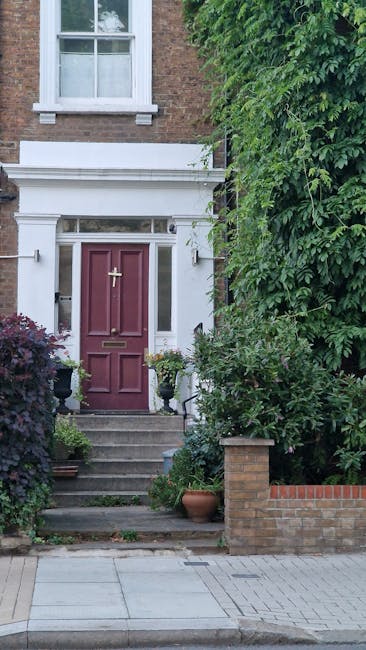
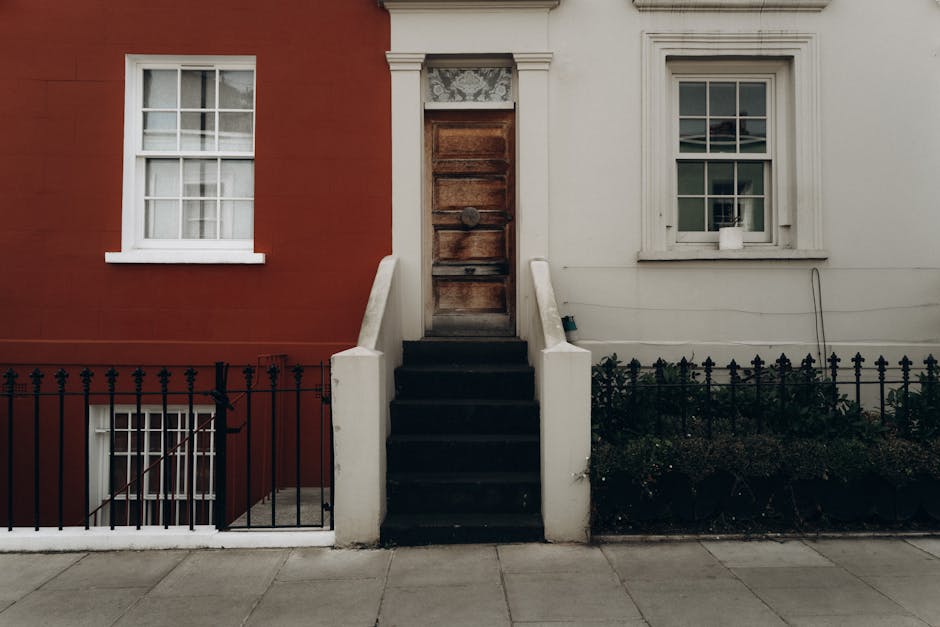
Staircase and narrow-doorway moving challenges in Notting Hill
If you have ever tried to move a sofa up a steep stairwell, or watched a wardrobe stop dead at a Victorian doorway by a few stubborn centimetres, you already know the problem. Staircase and narrow-doorway moving challenges in Notting Hill are not a niche annoyance; they are part of everyday life in many period conversions, mansion blocks, maisonettes, and compact flats across the area.
That matters because moving day is rarely forgiving. Hallways turn sharply, bannisters eat up space, and the front door looks just wide enough until you are holding an awkward piece of furniture sideways at the landing. This guide breaks down what causes these challenges, how professionals approach them, what to prepare in advance, and which mistakes to avoid. If you want to reduce stress and protect both your belongings and the property, you are in the right place.
Why Staircase and narrow-doorway moving challenges in Notting Hill Matters
Notting Hill is lovely, but let's face it, many of its homes were not designed with modern furniture delivery in mind. Tall terraces, split-level flats, basement conversions, top-floor walk-ups and older apartment blocks often combine narrow internal stairs with awkward entranceways. A large sofa, king-size mattress, solid wood chest or piano can become a genuine logistics problem before it even reaches the pavement.
The issue is not just convenience. When access is tight, the risks increase: scratched walls, chipped paintwork, damaged frames, strained backs, broken handles, and the kind of slow, awkward manoeuvring that turns a calm move into a noisy one. In busy streets around Notting Hill, those delays can also affect parking plans and loading times, which adds another layer of pressure.
People sometimes assume the answer is brute force. It really is not. Good moving in tight spaces is about measurement, sequencing, protection, and patience. A piece that looks impossible from the hallway may move safely if the route is planned properly. And a piece that seems easy can still snag at the turn of a staircase. That is the strange part. The route matters as much as the item.
For anyone planning a house move, flat clearance, furniture delivery, or even a single heavy-item transfer, understanding these challenges early can save time and money. It also helps you choose the right support, whether that means a specialist furniture team, a careful man and van service, or full-service removals. If you are still deciding what level of help makes sense, the services overview is a useful place to understand the range of options before you commit.
How Staircase and narrow-doorway moving challenges in Notting Hill Works
The basic principle is simple: you compare the item's size and shape with the access route, then plan the safest way to move it. In practice, of course, it is rarely simple. A sofa can be longer than the landing. A fridge can be too tall for a low doorway if it cannot be tilted. A bed frame may be perfectly manageable in pieces, but impossible assembled. That is why a proper access check matters so much.
Professionals usually look at three things first:
- Item dimensions - height, width, depth, and weight, including handles or feet.
- Access dimensions - door width, stair width, head height, and turning space on each landing.
- Obstructions - banisters, radiators, tight corners, low ceilings, communal hallways, or parking limitations.
Sometimes the solution is to remove a door from its hinges. Sometimes it is to wrap and tilt a piece in a particular direction. Sometimes the answer is to split the item down into safer parts, or move it through a different route entirely. In older Notting Hill properties, a route via the back entrance, garden path, or basement level can be easier than the front door. Other times, it is the reverse.
The key is not guessing. Guessing is how marks appear on walls. It is also how people end up stuck halfway up a stairwell with nowhere to pivot, which is as miserable as it sounds. A short site survey, even a quick one, changes the game.
For delicate or bulky furniture, the process may also include protective wrapping, corner guards, floor coverings, and extra hands for lifting. If you need more detail on handling larger pieces safely, the page on furniture removals in Notting Hill is directly relevant.
Key Benefits and Practical Advantages
When staircase and doorway constraints are handled properly, the benefits are obvious. But some are less obvious than others.
- Lower risk of damage - both to your furniture and to the property.
- Less physical strain - especially on steep staircases or long carries.
- Faster moving day flow - because the route is already thought through.
- Better protection for valuables - valuable pieces are less likely to be knocked or twisted.
- More accurate scheduling - which helps when parking, lift access, or time windows are tight.
There is also a confidence benefit. People relax when they know the awkward piece has already been assessed. That sounds minor, but on moving day confidence matters. You notice it in the tone of the room. People stop hovering. Decisions get cleaner. The whole process feels less chaotic.
There is another practical advantage too: a careful approach can sometimes prevent unnecessary storage or replacement costs. If a wardrobe can be dismantled, or a dining table can be moved on a different angle, you may avoid the need to replace it altogether. That is not glamorous, but it is useful.
And for some moves, especially flats and shared buildings, careful planning helps you stay on good terms with neighbours and managing agents. Nobody wants scuffed stairwell paint or a Monday morning complaint. Nobody.
Who This Is For and When It Makes Sense
This approach is for anyone moving in or out of a property where access is not straightforward. In Notting Hill, that usually includes:
- top-floor flats without convenient lift access
- period homes with narrow internal staircases
- basement flats with low entrances or tight turns
- students moving into compact rooms or shared houses
- families moving larger furniture into converted spaces
- piano owners and anyone with unusually heavy or fragile items
It also makes sense when time is tight. If you are on a same-day schedule, a small access issue can become a big delay very quickly. For those situations, it may be worth reading about same-day removals in Notting Hill, because the planning pressures are similar even if the moving load is different.
This is not only for full house moves either. A single sofa, bed frame, piano, or wardrobe can create the same headache. Truth be told, one awkward item can be more troublesome than ten boxes. Boxes are predictable. A three-seater corner sofa is, well, not.
If you are moving from a flat and know the stairwell is tight, you should think about access planning early. The guidance on flat removals in Notting Hill may also help you map out what support level you need.
Step-by-Step Guidance
Here is the practical version. No fluff.
- Measure the awkward things first. Don't start with the easy boxes. Measure the sofa, wardrobe, mattress, table, appliance, or piano and write the numbers down.
- Measure the access route. Doorway width, stair width, ceiling height, and landing space all matter. A tape measure and ten minutes can save a lot of grief later.
- Check for removable parts. Doors, legs, shelves, table tops, bed bases, mirrors and handles often make a big difference.
- Clear the route. Move shoes, plant pots, mats, hooks, picture frames, and anything else that can snag or fall.
- Protect surfaces. Use blankets, wraps, floor protection and corner guards. In older buildings, a little protection goes a long way.
- Plan the lifting order. Heaviest or most awkward items should usually be moved first while everyone is fresh.
- Decide whether you need extra help. If a piece needs two or three movers, say so early. Do not wait until the item is wedged halfway through a door.
- Have a fallback plan. If the item will not fit, know whether it will be dismantled, temporarily stored, or moved by a different route.
A good move is often just a sequence of small correct choices. That is all. Nothing fancy. But every small choice matters when stairs are involved.
If you prefer to prepare items yourself before the moving team arrives, the page on packing your items and waiting for collection gives a simple sense of how that handover usually works. It is especially helpful if you are trying to coordinate around work, childcare, or building access rules.
A quick reality check
Sometimes the answer is not to force the item through at all. It may be safer to dismantle it, or to use temporary storage until the right access or timing is available. That can feel like a detour, but it is usually the cheaper and calmer decision in the long run.
If delivery timing itself is part of the challenge, there is also a useful page about delivery at the best time for you. Timing is often half the battle in dense London streets.
Expert Tips for Better Results
Here are the small things that make a surprisingly big difference.
- Photograph the route before the move. A quick phone photo of the door, stairs and landing can help spot problems early.
- Remove the door stop if needed. Tiny protrusions can be the thing that catches a frame or mattress.
- Wrap edges, not just surfaces. Corners are usually what gets damaged first.
- Use the right number of movers. Four people moving one large item smoothly is often better than two people fighting it.
- Keep the staircase clear of bystanders. It sounds obvious, but people often hover. Then someone steps back at the wrong moment.
- Check head height on the turn. Many issues show up not at the door, but on the bend in the stairs.
One of the more underrated tips? Build in a buffer. A move through a tight Notting Hill staircase will nearly always take a little longer than a ground-floor move. If it doesn't, lovely. If it does, you will be glad you allowed the time. Nobody likes a rushed pivot on a landing.
If you are choosing between different support levels, the broad overview of man and van services in Notting Hill can help you judge whether your move is straightforward enough for a lighter setup or needs something more robust.
Common Mistakes to Avoid
Most staircase and doorway problems are not caused by one huge failure. They are caused by a handful of small, avoidable mistakes.
- Measuring the furniture but not the route. The route is usually the real issue.
- Assuming a piece can be "just turned a bit". Sometimes yes. Sometimes no. That little turn may need a lot more space than you think.
- Ignoring corners and ceiling height. A doorway can be fine while the landing is not.
- Forgetting to protect walls and bannisters. One scrape can be more upsetting than the delay.
- Not disassembling items early enough. Waiting until the move is already underway is stressful and inefficient.
- Underestimating weight distribution. An item can feel manageable at one end and impossible at the other.
There is also the classic mistake of buying or keeping furniture that simply does not suit the property. It happens all the time in London. A beautiful large wardrobe may be perfect in the showroom and a complete nightmare in a compact Notting Hill stairwell. Gorgeous, but inconvenient. A bit like a grand piano in a shoe box.
When people ask why their move took longer than expected, access issues are often the answer. That is why specialist knowledge matters. It is not about overcomplicating things; it is about seeing the problem before it becomes a problem.
Tools, Resources and Recommendations
You do not need a van full of specialist kit to handle every move, but a few practical tools make a proper difference.
- Tape measure for item and access measurements.
- Furniture blankets for scratch protection.
- Straps and webbing for controlled lifting and carrying.
- Corner protectors to reduce damage on tight turns.
- Floor runners for protecting stairs and hallways.
- Disassembly tools such as screwdrivers, Allen keys, and labelled bags for fixings.
It also helps to think about the wider move, not just the awkward item. Packing quality matters because overloaded boxes are harder to carry up stairs and more likely to split at the worst moment. If you want a sensible starting point, the page on packing and boxes in Notting Hill is worth a look.
For people moving whole households, the pages on removals in Notting Hill and house removals in Notting Hill can help you match the access challenge to the right type of service. If the move includes specialist items, piano removals in Notting Hill is especially relevant because pianos and staircases do not always get along.
Law, Compliance, Standards and Best Practice
When staircases, narrow doors and shared access routes are involved, safety is not optional. In the UK, moving work should be handled with sensible manual handling practices, proper risk awareness, and care for both workers and property. That means planning loads, avoiding unnecessary lifting strain, and using enough people for the job.
In residential buildings, there may also be building rules to consider. Managing agents sometimes ask for advance notice, protective coverings, or restricted moving windows. That is normal. It is best practice to check these requirements early rather than after someone has already started carrying a sofa up the stairs.
There is no single universal rule for every property, which is why cautious assessment matters more than guesswork. A careful mover will usually look at access, weight, fragility, and the route before any lifting begins. That approach is in line with common UK health and safety expectations and simple common sense, really.
If you want to understand how a company approaches risk and handling, insurance and safety is a useful page to review. For more on internal standards and working practices, you may also find the health and safety policy helpful. And if you need to understand terms before booking, the terms and conditions page is there for clarity.
Options, Methods, or Comparison Table
Different properties and different items call for different approaches. Here is a simple comparison to help you think it through.
| Approach | Best for | Strengths | Limitations |
|---|---|---|---|
| DIY carry with helpers | Light items, short distances, very simple routes | Lower cost, flexible timing | Higher risk if staircases are tight or items are heavy |
| Man and van support | Small to medium moves, partial loads, single bulky items | Good balance of cost and help | May not suit highly complex access without extra planning |
| Specialist removals team | Large homes, difficult staircases, fragile or valuable items | More careful handling, better for awkward access | Usually costs more than a basic carry |
| Temporary storage plus staged move | When access timing is restricted or the item is too awkward to rush | Reduces pressure, gives room to reorganise | Adds another step to the process |
For many Notting Hill moves, the decision is not about "cheap versus expensive" so much as "safe and realistic versus risky and rushed". That distinction matters more than people think.
If you need help comparing local support types, the pages on man with van in Notting Hill, man and a van in Notting Hill and removal services in Notting Hill give a sensible picture of how those options differ.
Case Study or Real-World Example
A common Notting Hill scenario goes like this. A customer is moving from a second-floor flat in a period building with a tight internal staircase and a front door that opens into a small lobby. The main item is a large sofa bed. It looks manageable at first glance, but the landing turn is narrow and the banister takes up more space than expected.
Instead of forcing the sofa through the doorway, the team checks the route, protects the wall edges, and removes the sofa feet to reduce height. That alone creates just enough clearance to pivot the frame safely. A blanket is used at the stair corner, one mover guides from below, one from above, and the final turn happens slowly with clear verbal instructions. No drama. No shouting. Just careful movement.
Now compare that to a rushed approach. If the team had tried to push the sofa through without checking the landing, they might have scraped the plaster or jammed the frame. The difference is not strength. It is sequence.
Another real-world issue in the area is access timing. In some streets, parking and loading need to be choreographed tightly. If you are dealing with a same-day move in W2, a page like what to expect from same-day emergency removals in W2 can help you picture the pressure points more clearly. And if your move includes oversized items or bulky clearances, the guide to bulky waste removal in Notting Hill may also be useful.
Practical Checklist
Use this before moving day. It is simple, but it works.
- Measure the item and write the dimensions down.
- Measure the narrowest doorway, staircase and landing.
- Check whether the item can be dismantled.
- Confirm whether doors need removing from hinges.
- Clear the staircase, hallway and entrance area.
- Protect walls, floors and bannisters.
- Confirm parking or loading access where relevant.
- Tell movers about any very heavy, fragile or valuable pieces.
- Decide in advance whether storage may be needed.
- Keep tools, fixings and assembly parts in labelled bags.
One small extra tip: take a breath before the move starts. Seriously. A calm five minutes can save a lot of scrambling later.
Conclusion
Staircase and narrow-doorway moving challenges in Notting Hill are common, but they do not have to be chaotic. With measurement, route planning, proper protection and the right level of moving support, even awkward pieces can usually be handled safely. The important part is to stop guessing and start planning early.
Notting Hill homes are characterful, and that character is often exactly what creates the access challenge. But a tricky staircase does not automatically mean a difficult move. It just means the move needs a bit more thought, and in some cases, a specialist approach. To be fair, that is often enough.
If you are still working out the best route for your move, service choice or timing, it may help to explore the broader local guidance on removal companies in Notting Hill, or compare options for student removals in Notting Hill if you are moving a smaller load. For a local flavour beyond the logistics, you might also enjoy a local's guide to living in Notting Hill and the practical advice on whether Notting Hill is ideal for residents.
Get a free quote today and see how much you can save.
Frequently Asked Questions
What makes staircase and narrow-doorway moves so difficult in Notting Hill?
Most of the difficulty comes from older building layouts, tight stair turns, compact hallways and doors that were not designed around modern bulky furniture. Add parking pressure and you have a move that needs careful planning rather than guesswork.
Can a large sofa fit through a narrow Notting Hill doorway?
Sometimes yes, sometimes no. It depends on the sofa's dimensions, whether the feet or arms can be removed, and how much turning space exists in the hallway and stairwell. Measuring properly is the only reliable way to know.
Do movers usually remove doors to get furniture through?
Yes, if it is safe and sensible to do so. Removing a door from its hinges can create just enough extra clearance for bulky items. It is a common tactic in tight properties, but it should be done carefully.
Is it safer to move heavy items upstairs or downstairs first?
There is no single rule. The safest order depends on the route, the item and the team size. In many moves, the heaviest or most awkward item is handled earlier in the day while everyone is fresh and the route is clear.
Should I dismantle furniture before moving day?
If a piece is large, awkward or close to the doorway limits, yes, dismantling is often worth it. Beds, tables, wardrobes and shelving units can become much easier to move once separated into manageable parts.
How do I know if my flat in Notting Hill needs a specialist moving service?
If you have steep stairs, tight turns, very large furniture, fragile items or limited building access, a specialist service is usually sensible. If you are unsure, a quick access review can help you decide before moving day.
What should I tell a moving team before they arrive?
Tell them about the item sizes, stair width, any low ceilings, parking restrictions, building rules and whether anything can be dismantled. The more accurate the information, the smoother the move tends to be.
Can storage help with staircase and doorway problems?
Yes. Temporary storage is useful when timing, access or space is too tight for a single direct move. It can reduce stress and give you room to move items in stages rather than all at once.
Do I need to protect the hallway and stairs myself?
It is a very good idea to do so, or to make sure it is included in the moving plan. Stair edges, bannisters and painted walls are especially vulnerable in tight spaces, and small protections can prevent bigger damage.
Are same-day moves harder with narrow staircases?
They can be. Same-day schedules leave less room for detailed planning, which is why access information matters even more. If you are arranging a fast turnaround, clear measurements and realistic expectations are essential.
What happens if a piece does not fit after all?
Usually the team will look for alternatives, such as dismantling the item, using a different route, or placing it into storage. That is why having a fallback plan matters. A dead end is unpleasant, but it is not the end of the move.
How early should I book help for a tricky Notting Hill move?
As early as you can, especially if the property has stairs, narrow doors or parking constraints. Early booking gives you time to measure access properly and avoid last-minute stress. And honestly, moving day already has enough surprises.